
Plumbing · Harrow, London
Leak Detection & Repair in Harrow, London
The trouble with a hidden leak is that it is almost never where its symptom is. Water escaping from a joint behind a solid wall runs along the first joist or chase it finds and surfaces as a stain in a different room — sometimes, in a converted property, a different flat. That is why Emergency Plumber Harrow treats finding the leak as the skilled half of the job and fixing it as the straightforward half. Every trace across the borough therefore starts by pinning the source down before anything is opened up.
Harrow's building fabric is what makes precision matter. The steep period houses on Harrow-on-the-Hill are largely solid-wall, much of it still running legacy copper or, in the oldest homes, galvanised and lead supply threaded behind lath-and-plaster; Wealdstone's converted Victorian and Edwardian terraces carry the same ageing pipework, often now serving flats it was never routed for. Those materials fail at joints and bends first, as a slow weep rather than a dramatic burst, and a weep can travel a long way through solid fabric before it shows.
Consent raises the stakes further. The historic core on the Hill is a conservation area of around a hundred hectares, and Pinner's village heart and Pinnerwood Park carry the same protection, so opening up period fabric on a guess is exactly what you cannot afford there. Every job therefore starts with acoustic and thermal tracing to fix the leak to a small area before a floorboard or tile is lifted, keeping any repair — and the making-good after it — as small as the leak allows.
There is a water angle too. Affinity's very hard 363 mg/l supply scales cylinders and heating pipework across the borough, and a slow cylinder or heating-system leak is one of the commonest we trace — often first noticed as a boiler that keeps losing pressure with nothing visibly wet. A leak that is steadily worsening, or one behind a wall near electrics, should not wait. Call 07414 128324 and we get someone tracing it before it damages the fabric around it.
What We Do
Pinning It Down Before Opening Anything
The whole discipline is locating a leak precisely so the repair stays small — the method always comes before the tools.
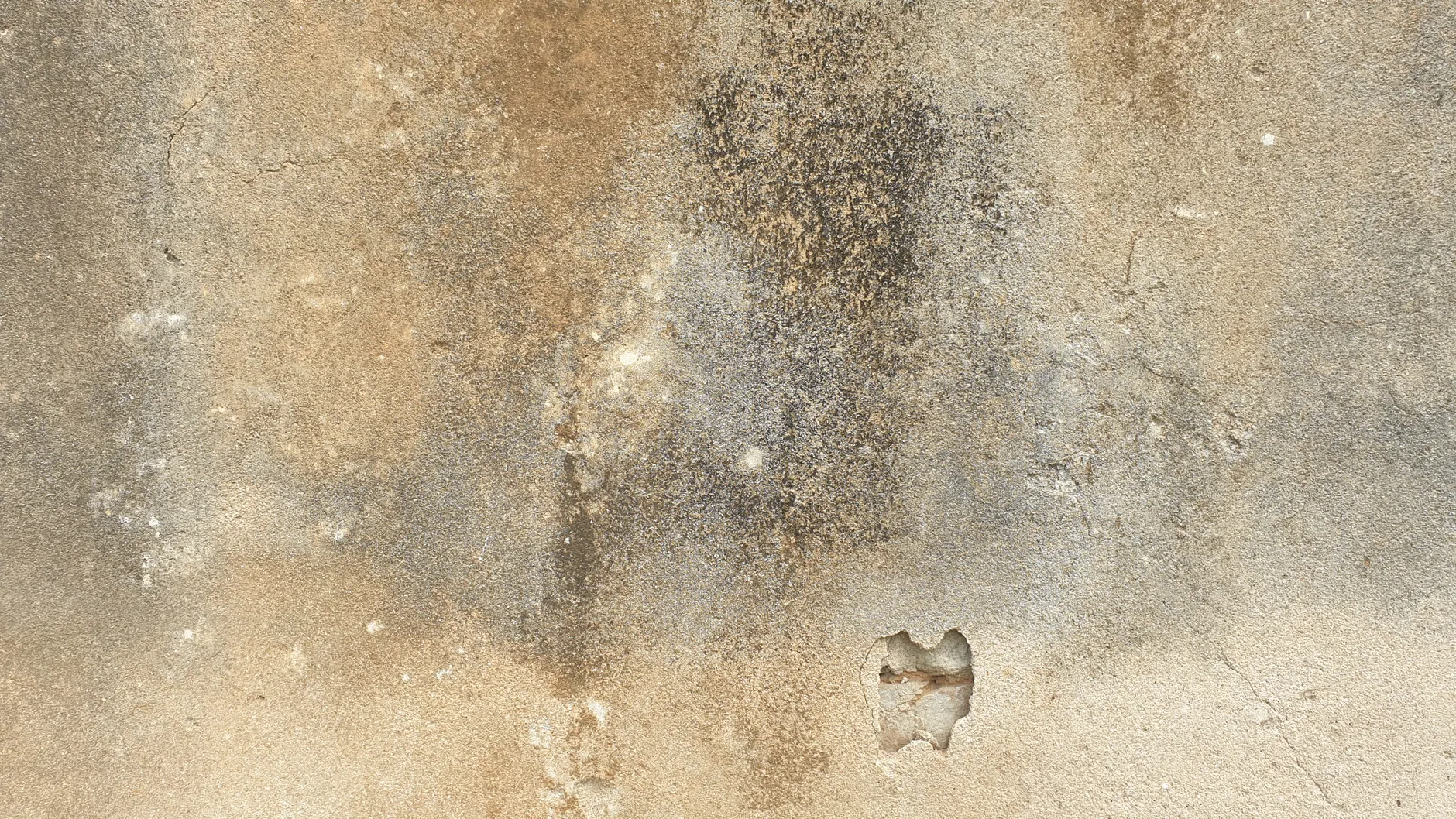
Slow Cylinder & Heating-System Leaks
When a sealed heating circuit keeps shedding pressure for no visible reason, or damp gathers near the airing cupboard with no burst to blame, the culprit is usually a weeping cylinder or a pinhole in the heating pipework rather than the boiler. On very hard water, those joints scale from the inside and eventually seep, and the falling pressure gauge is often the only warning for weeks.
Once tracing separates a heating leak from a genuine boiler fault, boiler & hot water repair picks up the pressure loss and gives it a name.
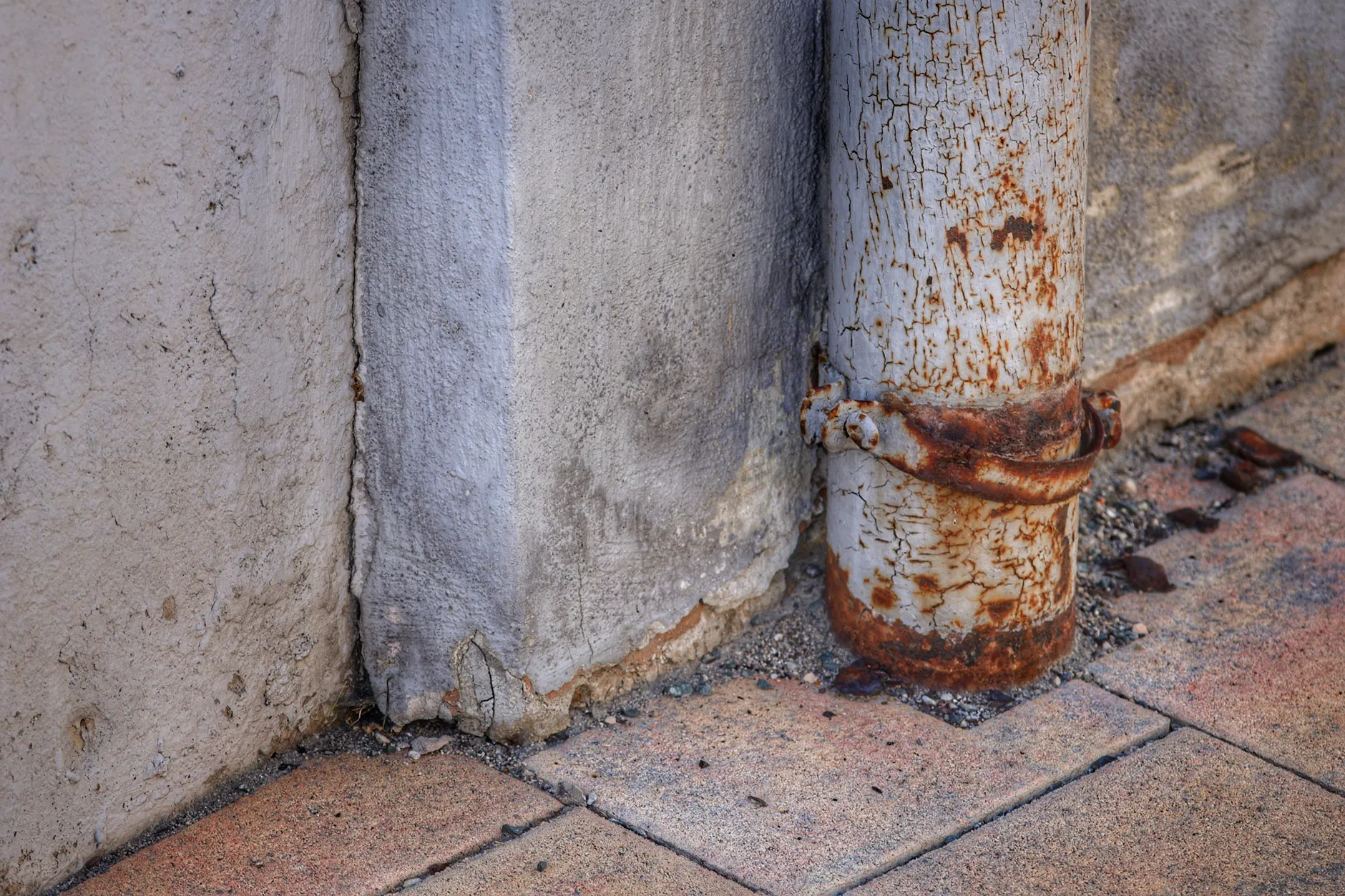
Hidden Supply & Under-Floor Leaks
A supply leak beneath a solid floor or inside a wall void can run unseen for months, betraying itself only with a warm patch underfoot, a stubborn area of damp or a metered bill that has crept up. In the oldest Hill houses and the converted Wealdstone terraces, the lead and galvanised runs weep at their seams first — the exact slow, buried fault instruments are built to catch.
Fixing the position before lifting a board or breaking ground keeps the work over the fault itself, not spread around where it might be.
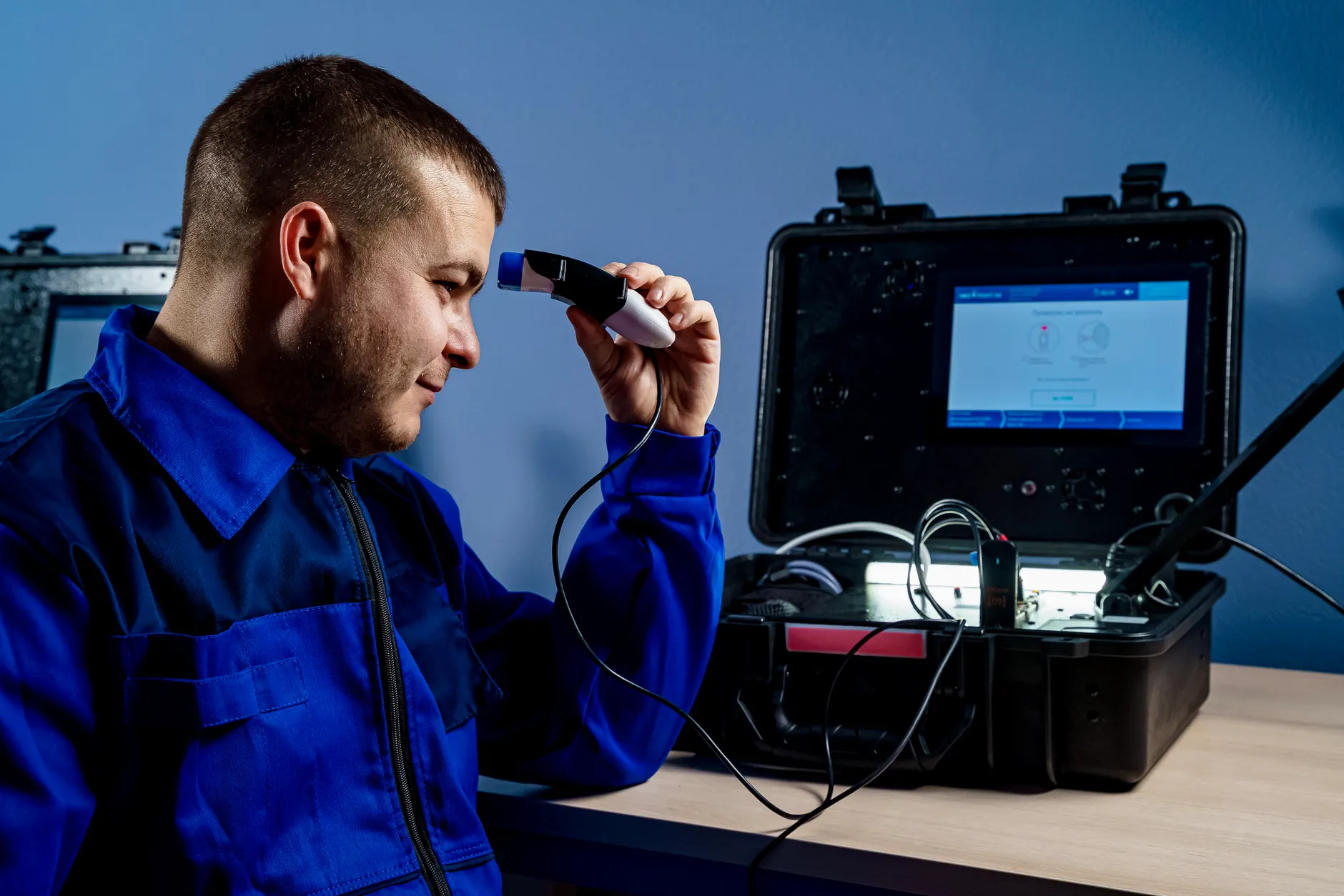
Acoustic & Thermal Tracing
Two instruments do the locating. A ground microphone and correlator listen for the hiss a pressurised pipe makes where it is losing water, while thermal imaging reads the temperature shadow a leak leaves through plaster, screed or a ceiling. Cross-referenced, they shrink the search to a defined patch rather than a whole room.
In Harrow's thick-walled period stock, where a run can be generous and hard to guess at, that saves opening metres of protected fabric for nothing.
The Benefits
Why Tracing First Protects the House
The alternative to instruments is a hammer and a hunch — costly, disruptive, and, in listed or conservation fabric, frequently worse than the leak that prompted it.
Least Disturbance to Protected Fabric
On the Hill and in Pinner's village core, and behind the solid walls of the period and converted stock, every needless hole is slow and expensive to reinstate — and in listed fabric may not be reversible at all. Locating the fault to a point first means the opening, and the redecoration that follows, are only as large as the leak demands. That restraint is why the instruments come out before the tools do.
You Pay for the Trace, Not the Guesswork
The locating work is a call-out from roughly £80; the repair is a separate figure, set in writing only once we can point to the fault. Because the tracing settles the position before any price is attached to fixing it, you are never charged for a wall opened in the wrong place. An easy-to-reach weep is modest; one buried in a solid-walled period property is priced for the access it needs.
Repairs Made to the Water Fittings Standard
Any repair is carried out under the Water Supply (Water Fittings) Regulations 1999, and where a section of pipe or a fitting is renewed, the replacement is WRAS-approved — proven fit to join the public mains without contamination risk. That baseline holds from a Georgian house on the Hill to a 1930s Rayners Lane semi. It describes the work and the parts, not a label hung over them.
Why Us
Why Harrow Trusts Us With Hidden Leaks
A tracing method that adapts to period, converted and interwar stock alike, from the Hill's solid walls to Rayners Lane's repeating semis.
Instruments Out Before Anything Opens
Tracing leads every job, so any opening-up is confined to the confirmed spot — most valuable in the consent-bound heart of the Hill and Pinner's listed village, where fabric changes are hard to undo. Opening on a hunch is the mistake we exist to prevent, and nearly always the one that costs the most to put right.
We Know How the Old Runs Are Threaded
Legacy copper, galvanised and lead supply in the Hill's period houses and Wealdstone's converted terraces gives way at the same predictable seams and elbows, so the search goes straight to those points rather than treating every stretch of wall alike. In a house long since split into flats, we also account for a leak surfacing in a neighbour's rooms rather than the one it began in.
One Number for the Whole Borough
From the period stock on the Hill to Wealdstone's converted terraces and the Metro-land semis of Pinner and Rayners Lane, the plumbers we coordinate trace and repair leaks right across the service area on 07414 128324 — browse everything else we handle when the leak itself is settled.
Hidden leaks rarely travel alone — see boiler & hot water repair when the pressure gauge keeps sinking, or our full services for the rest. The same tracing and repair cover extends to Wealdstone, Pinner and Rayners Lane on the same terms as the hilltop core.
Frequently Asked Questions
How can I tell whether I have a hidden leak?
Watch for a metered bill that has climbed while your usage has not, an area of damp that never quite dries, a heating system needing frequent topping-up, or a persistent musty smell you cannot source. In the borough's older houses on the Hill and the converted Wealdstone terraces, a weep at a lead or galvanised joint can go undetected for months before any of those signs appears. When two or more show up together, ring 07414 128324 rather than waiting for the ceiling to stain.
What actually happens during non-invasive detection?
We bring two complementary tools to the property. A sensitive ground microphone, paired with a correlator, isolates the sound a pipe makes where water is escaping under pressure, and a thermal camera maps the heat difference the escaping water leaves behind a surface. On a heating or hot-water run we can also introduce a trace gas that seeps out at the fault, useful where a leak is too slow or too quiet to hear. Reading these together marks the fault to a small area before anything is disturbed, which matters in Harrow's solid-walled stock where a blind search could mean lifting several metres of wall or floor for nothing.
What does tracing and repair come to here?
The tracing visit is charged from around £80, and the repair carries its own written figure once we have physically located the source, so you are quoted against a known fault rather than an estimate. Something reachable and shallow sits at the lower end; a leak sealed inside a thick period wall costs more for the access involved. The two stages are kept separate and each is agreed with you before it goes ahead.
Why are hidden leaks commoner in Harrow's older houses?
The period houses on the Hill and Wealdstone's Victorian and Edwardian terraces frequently still carry their original lead or galvanised supply, and both corrode slowly, giving way at seams and bends rather than rupturing outright. That gradual failure is exactly the creeping, buried leak acoustic and thermal work is designed to find, as distinct from a sudden burst that announces itself. Newer flats plumbed in modern plastic throw up far fewer of these quiet, long-running faults.
Do you always have to open a wall or floor to fix a leak?
No — because we fix the exact position with instruments first, only the confirmed section is disturbed, not a broad exploratory area. In plenty of cases the repair amounts to a small, targeted opening directly over the fault. That is most important in the conservation-sensitive parts of the Hill and Pinner village, where an unnecessary hole is both expensive and slow to reinstate in keeping with the surrounding fabric.
Could a hidden leak be why my boiler keeps losing pressure?
Yes — any slow escape from a sealed heating circuit reads on the gauge as steadily falling pressure that needs topping up, even with nothing wet in sight. It is one of the more frequent situations where a homeowner books what they assume is a boiler fault and the real problem turns out to be the pipework or cylinder. On Harrow's very hard water, the heating runs and cylinders that eventually weep have usually been furring for years first, and our boiler & hot water repair page covers what follows once the leak is confirmed as separate from the boiler.
Does the conservation area on the Hill change your approach?
It strengthens the tracing-first method rather than altering it. The historic core on Harrow-on-the-Hill is a conservation area of roughly a hundred hectares, and Pinner's village and Pinnerwood Park hold the same status, so street-facing alterations can need consent and the old fabric deserves protecting. Since internal tracing disturbs nothing and any repair opening is kept small, most jobs run without a consent question, and we raise anything touching external fabric before starting.
Is a big period house harder to trace than a small terrace?
It can be. A large house on the Hill carries generously routed original pipework behind deep solid walls, so a leak may surface a long way from its source — following a joist or chase for several metres before showing as damp elsewhere, occasionally in a separate flat within a converted property. That distance is why instruments beat a guess-and-open approach in a bigger property, and why we invest more time narrowing the position there than in a compact Wealdstone terrace or a Rayners Lane semi.
What follows once you have located the leak?
With the position fixed, we put a written price to the repair before any work begins, covering both the fix itself and reinstating whatever had to be opened. Repairs are done under the Water Supply (Water Fittings) Regulations 1999 with WRAS-approved fittings wherever pipe or parts are renewed. Simpler repairs are often wrapped up in the same visit; more involved ones in period fabric may take a brief return appointment.
Does a higher water bill always mean a leak?
Not invariably, though it is among the more dependable early clues, especially when nothing about how your household uses water accounts for the rise. A quick test is to set the previous bill alongside the current one and watch the meter with every tap and appliance shut off; if the dial still turns with everything closed, water is likely escaping somewhere on the supply. Bear in mind the meter usually sits at the boundary, so a leak on the private supply pipe between there and the house counts against you even though it never shows indoors — reason enough to take the reading seriously and call 07414 128324.
How urgently should a suspected leak be looked at?
Anything getting visibly worse, wetting the fabric, or sitting close to electrics wants attention promptly — ring 07414 128324 for those. A slow, steady leak showing only as a slightly higher bill can usually wait for a booked slot within a few days. If you cannot judge which it is, call and describe the signs; that is the quickest route to knowing how soon it needs a visit.
Do you trace leaks in Wealdstone and Rayners Lane the same as on the Hill?
Yes — the acoustic and thermal method covers Harrow-on-the-Hill, Wealdstone, Pinner and Rayners Lane on identical terms and the same 07414 128324 line. The buildings differ: the Hill's solid-walled period houses conceal leaks in long legacy runs, whereas Rayners Lane's 1930s semis carry more uniform early-copper pipework that fails on its own pattern. Wherever the property stands, we locate before we open, so the repair stays as contained as the fault allows.

Get a Hidden Leak Traced Properly
Non-invasive tracing, then a written quote. Call 07414 128324.
07414 128324