Plumbing · Harrow, London
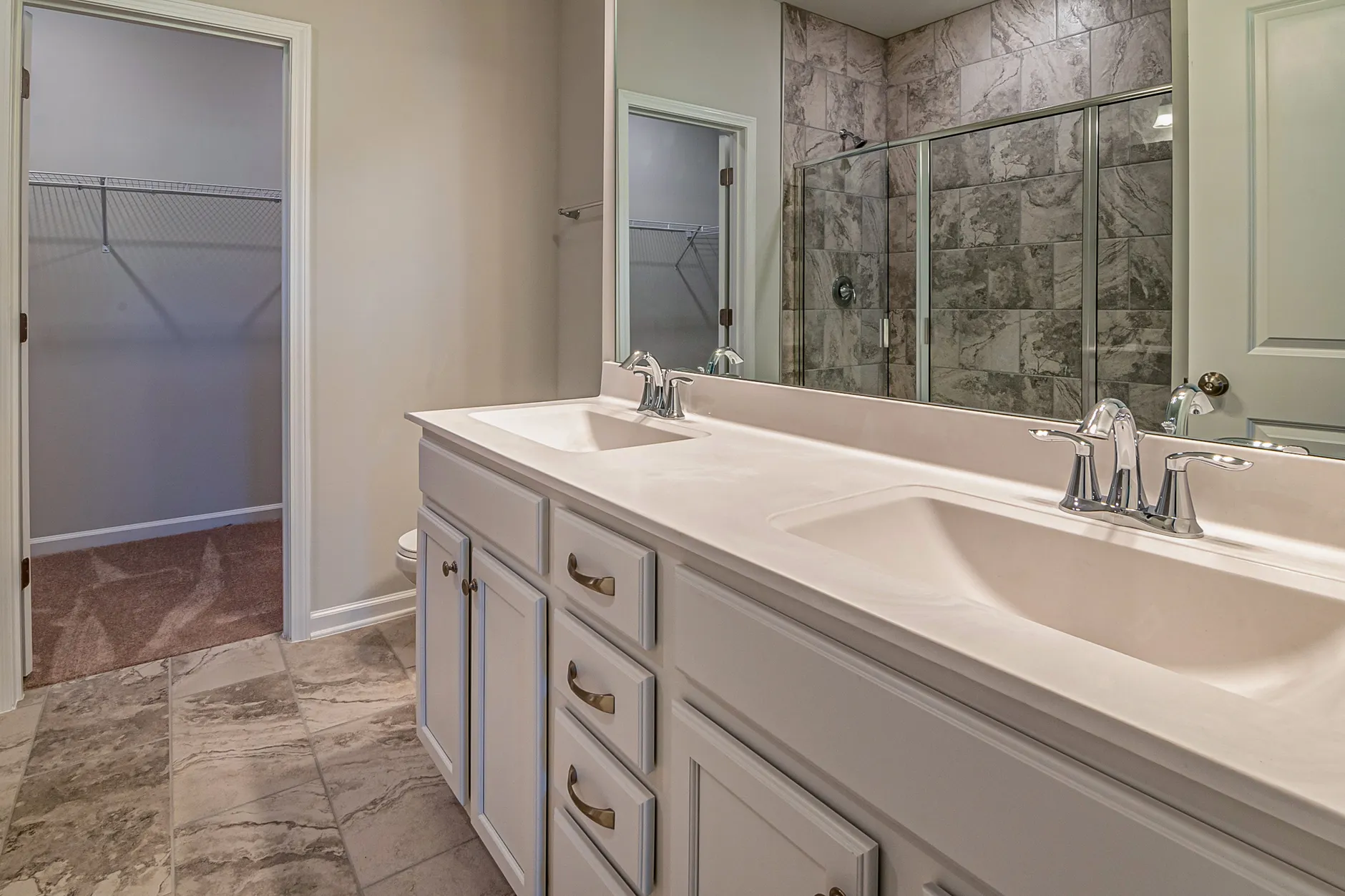
Bathroom Installation in Harrow, London
A Harrow bathroom is a question of routing before it is one of tiles or taps — how the new supply and waste reach the room through whatever the house is made of. That is the first thing Emergency Plumber Harrow settles on a survey, because it decides the labour, the disruption and the price. In a borough with stock this varied, the fabric behind the plaster tells us more than the chosen suite ever will.
At one end sits the protected period fabric of Harrow-on-the-Hill and Pinner village. On the Hill, Georgian and Victorian houses on solid walls hide their runs behind lath-and-plaster, and because the historic core is a conservation area, anything changing an external soil-pipe route, window or flue can need consent through Harrow Council first. Pinner's medieval heart — timber-framed and Tudor cottages around a church consecrated in 1321 — goes further: concealed framing and fragile, often listed fabric make every chase deliberate rather than a quick cut.
At the other end, Rayners Lane could hardly be more different. Laid out fast in the 1930s as Harrow Garden Village — the 'Poets' Corner' estate anchored by its Art Deco station — it is the borough's most standardised stock, with Harrow's highest share of terraced housing. Whole streets of near-identical semis carry near-identical layouts and original 1930s bathrooms, so their renewals are repeatable where a one-off period job never is, coming up street by street as that generation of rooms wears out.
One thing crosses every threshold: the water. Affinity supplies the borough at about 363 mg/l calcium carbonate — very hard — and that scale coats cylinders, bakes onto immersion elements and silts up thermostatic shower valves until they hunt between scalding and cold. It is quietly why many Harrow bathrooms are torn out at all. A refit is the moment to settle the hot-water side too, and every installation is held to Building Regulations Part G, Part P for the electrics and WRAS-approved fittings. Call 07414 128324 to book the survey.
What We Do
The Bathroom Work Harrow Books
Each job begins by surveying the walls, floor and existing pipework, so the figure answers to your room and how the pipes must reach it.
Whole-Street Renewals in the Metro-land Semis
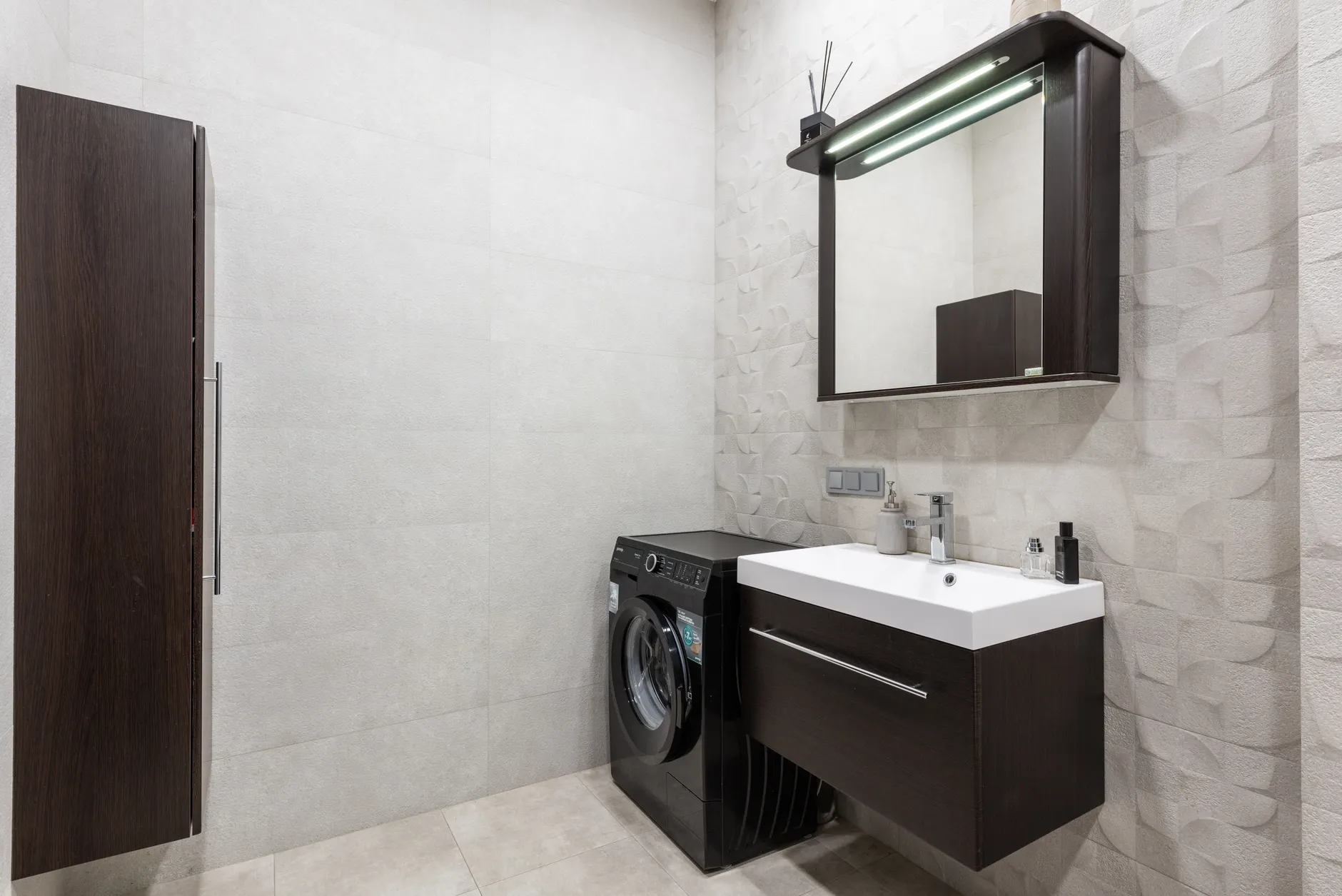
The standardised 1930s semis of Rayners Lane, and the Metro-land stock towards Pinner, share repeatable layouts and original bathrooms reaching the end of their days street by street — a pipe route solved on one house often maps onto its neighbours, and the early-copper or galvanised supply behind the wall is better renewed than joined onto.
Most renewals run a week or two on site, costed in writing after the survey and held to that figure to the last tile.
Period & Conservation-Area Routing
On Harrow-on-the-Hill and in Pinner village the room is the simple part — getting new pipework to it through solid walls, lath-and-plaster and, in Pinner's cottages, concealed timber framing is where the skill lives. Because these are conservation areas with frequently listed fabric, any change reaching an external soil pipe, flue or street-facing feature is checked for consent first, so we confirm a property's status at the survey and flag it early rather than once the tools are down.
Wet Rooms, En-Suites & Level-Access Conversions
Cutting in an en-suite or converting to a step-free wet room means taking fresh waste to an existing stack — brisk where a newer property has open service voids, more of a planning exercise in a solid-walled Hill house where the run must follow the fabric. A wet room is tanked floor to wall and graded so it drains cleanly, satisfying Part G on water efficiency and drainage; for a mobility-led conversion the layout follows how the room will really be used, not where the pipes fall.
The Benefits
What the Survey Settles First
The survey is where the job is defined — the routing, the fabric and the figure — so nothing load-bearing is discovered with a chisel halfway through.
Whether Your Street Needs Consent, Known Up Front
If a property sits in the conservation core on the Hill, in Pinner's village heart or in Pinnerwood Park, any consent tied to external soil-pipe changes, flue positions or structural alteration is identified while we survey — not sprung mid-job. Plenty of straightforward internal refits here need none at all, and we tell you plainly which side of the line your job falls, through Harrow Council.
The Hot-Water Side, Checked With the Room
A brand-new suite plumbed onto a cylinder furring for years on Affinity's very hard water inherits the same tired hot water the day it goes in, so the survey studies the cylinder, immersion or combi as closely as the layout. Settling both while the room is open costs and disrupts less than returning to the hot water alone a year later, and it shows as its own line in the quote.
The Price Is Fixed at the Survey
The written figure is built once we have seen the room — the scope, the fittings you have chosen and how much pipework wants renewing — and that is what you settle at the finish. The only thing that can shift it is a genuine surprise in the fabric, shown to you and signed off in writing before extra work starts; nothing is costed over the phone before anyone sees how the pipes run.
Why Us
Why Harrow Fits Bathrooms With Us
A spread this wide — protected period cores, Metro-land semis and standardised estate streets — means the property gets read at the survey, before the first board lifts.
We Route for the Fabric, Not Just the Layout
Solid Georgian walls on the Hill, concealed timber framing in a Pinner cottage, and the standardised construction of a Rayners Lane semi each dictate how a bathroom's pipework is chased, renewed and priced. Placing which one you are standing in before anything opens up is most of what keeps a quote honest.
We Catch the Conservation Corners Others Miss
The historic core on Harrow-on-the-Hill and Pinner's listed village fabric both carry consent considerations a fitter from outside the borough might miss until too late. We check a property's status first and flag anything relevant before quoting, because a bathroom halted for an unspotted consent is the most expensive surprise there is.
One Team, One Number, Hill to Estate
From the period houses on the Hill to the semis of Rayners Lane and the terraces of Wealdstone, the fitters we coordinate handle bathrooms across the whole service area on 07414 128324 — see the rest of what we cover here.
Lifting a bathroom often uncovers other work — a weeping valve, a run of galvanised pipe, an overflow that never sat true. If you suspect something is already moving behind the plaster, leak detection will locate it ahead of the tiler, boiler & hot water repair can deal with a scaled cylinder while the room stands open, and the rest of our services picks up everything else. The survey-first, fixed-quote basis reaches Wealdstone, Pinner and Rayners Lane as it does the hilltop core.
Frequently Asked Questions
What decides how much my Harrow bathroom will cost?
More than anything, it is how the new supply and waste reach the room through the building's fabric, which is why we survey before quoting rather than pricing by phone. A run chased through solid Georgian walls on the Hill is far more labour than the same run in a Rayners Lane semi. The fittings you choose and how much tired supply wants renewing set the rest, fixed in writing before any strip-out.
Do I need consent to refit a bathroom on the Hill or in Pinner village?
Purely internal bathroom work seldom needs consent, but the conservation core on Harrow-on-the-Hill, Pinner's village heart and Pinnerwood Park can require it wherever a job reaches an external soil-pipe route, flue, window or street-facing fabric. During the survey we pin down a property's status and raise any consent point with Harrow Council before the price is settled. Most ordinary internal refits in these areas proceed with no consent question.
Why is a bathroom in a Pinner cottage treated so carefully?
Pinner's medieval core keeps genuinely old timber-framed and Tudor cottages around a church consecrated in 1321, fabric that is often listed and always fragile. Concealed framing means a chase or fixing cannot go wherever is convenient, so routing, waste connections and fixings are planned around protecting the structure. That makes the work slower than in a modern house, which is why the survey studies what lies behind the surface before any figure is set.
How does Harrow's hard water affect a new bathroom?
Affinity rates the whole borough's supply very hard, near 363 mg/l calcium carbonate, and that load coats cylinders, bakes onto immersion elements and gums up thermostatic shower valves over the years. Fit a pristine suite onto a system already carrying that scale and it takes on the same fault from day one, so the survey weighs the cylinder, immersion or combi as heavily as the room. Sorting both in one go costs and disrupts less than a separate return trip for the hot water later.
Why do whole streets in Rayners Lane seem to renew their bathrooms at once?
Rayners Lane was built out fast in the 1930s as Harrow Garden Village, so whole streets of near-identical semis carry original bathrooms of the same age and design. Those rooms reach the end of their life at roughly the same moment, and their standardised pipework means a renewal on one house often maps onto its neighbours. It is why the district renews almost street by street rather than one house at a time.
What do Part G and Part P govern in a bathroom?
Part G is the Building Regulations section covering sanitation, the safe delivery of hot water and water efficiency; Part P sits beside it and governs the wiring where electrics and water share the room. A full install answers to both, whatever the age or footprint of the house. If you would like the parts that bear on your layout talked through, raise it at the survey and we will go over them.
What does WRAS-approved actually mean for the fittings?
A WRAS-approved part — a tap, a mixer valve, a shower unit — has cleared testing proving it can join the public mains without letting water flow back or pick up contamination. Anything we connect to the mains carries it as standard, a quality of the component rather than a claim about whoever fits it. It is one of the benchmarks the work meets, on a Hill period house and a Rayners Lane semi alike.
How long is my bathroom out of use for a full refit?
Reckon on a week or two on site for a standard full refit, from strip-out to the final tile and fittings, with the span set by the room's size and how much pipework is renewed. A wet-room conversion, or a job where solid period walls mean new runs are cut in slowly, sits at the longer end. The timeline is pinned at the survey next to the fixed price, so the schedule is not left open before the first morning.
Why does a refit on the Hill cost more than one in a Rayners Lane semi?
Solid Georgian and Victorian walls on Harrow-on-the-Hill make routing new supply and waste far more labour-intensive than the standardised 1930s construction of a Rayners Lane semi. Behind those older Hill walls there is often galvanised or lead pipe better renewed than joined onto, and any external change may need conservation consent. The gap shows as a higher quote for a similar-sized room because the work behind the plaster is genuinely greater, not the address.
Can you sort the cylinder or hot water while the bathroom is open?
Yes — where the cylinder is older than the boiler and has been furring on very hard water for years, tackling it while the room is stripped means the pipework is rerouted and finished in one pass, not reopened under fresh tiling months on. A worn immersion element or scaled combi feed is handled the same way. It shows as a distinct line in the fixed quote, so its cost is plain before you commit.
What if something unexpected turns up once the wall is open?
On the rare occasion something hidden emerges as a wall comes off — a forgotten length of lead pipe the survey could not see, or damp that gave no sign — work pauses, we show you the find, and a revised figure goes in writing before anyone carries on. A thorough survey keeps this rare, though the long buried runs in older Hill and Pinner houses throw one up now and then. You are never charged for extra work you have not approved first.
Do you fit level-access wet rooms?
Yes — a wet-room conversion is tanked floor to wall and its gradients set so water runs to the drain, meeting Part G on both water efficiency and drainage. It drops in more readily where a newer property offers accessible service voids than in a solid-walled Hill house, but we do both across the area. For a mobility-led conversion we plan the layout around how the room will really be used, and the survey establishes what the space can take before any quote.
Do you cover Wealdstone, Pinner and Rayners Lane as well as central Harrow?
Yes — full refits, en-suites, wet rooms and cylinder work all run across Harrow-on-the-Hill, Wealdstone, Pinner and Rayners Lane on the same survey-first, fixed-quote footing. The variable is the fabric: protected period walls ask a different approach than a 1930s semi or a converted terrace. The method and the standards do not change with the address, and one line — 07414 128324 — covers it.
Start With a Survey, Not a Guess
The fixed written quote comes before any work does. Call 07414 128324 today.
07414 128324